Have you ever bought a lipstick that looked stunning in the store but completely washed you out at home? Or wondered why certain eyeshadow shades make your eyes pop while others make you look tired? The answer almost always comes down to one thing: your color season.
Color analysis is a system that matches your natural coloring - your skin tone, hair color, and eye color - to a specific palette of shades that flatter you most. The concept dates back to the 1940s, when artist Suzanne Caygill first noticed that people look best in colors that echo the hues found in nature during a particular season. In the 1980s, Carole Jackson popularized the idea in her bestselling book Color Me Beautiful, sorting everyone into four broad seasons: Spring, Summer, Autumn, and Winter. That system worked, but it was too simple. Many people fell between categories.
Today, most professional color analysts use the 12-season system, which splits each of the four parent seasons into three sub-seasons. This gives you a much more precise palette - and much better makeup choices. In this guide, you will learn exactly how the system works, what each season looks like, and how to apply it to your everyday makeup routine.
Find your color season instantly with BeautySparkUnderstanding Color Theory Basics
Before diving into the 12 seasons, it helps to understand three key properties that define every color - including your natural coloring.
Undertone (Hue) refers to the warmth or coolness of your skin. Warm undertones have a golden, peachy, or olive cast. Cool undertones lean pink, rosy, or bluish. Neutral undertones sit somewhere in between. A quick way to get an idea is to hold something orange next to your face in natural light. If your face looks refreshed and your features appear more defined, you likely lean warm. Then try a cool blue item. If your face looks better here (brighter, smoother, more alive), you likely lean cool. Ignore the old advice about checking your veins; vein color is not a reliable indicator of undertone. If your skin reads green or gray rather than clearly golden or pink, you may have an olive overtone sitting on top of your undertone; confirm it with these signs and tests, then see how that maps onto the 12 seasons in the olive skin color season guide.
Value describes how light or dark your overall coloring is. Value is about the overall impression of your coloring: how light or dark you read as a whole. Someone with very fair coloring throughout has high value (light). Someone with deep coloring throughout has low value (deep). But value is not always straightforward: a person with light skin and dark hair can still read as deep because of the contrast and the weight of the darker features. Most people fall somewhere along this spectrum, and the combination matters more than any single feature.
Chroma measures how saturated or muted your coloring is. High-chroma individuals have clear, vivid contrasts between their skin, hair, and eyes - think jet-black hair against porcelain skin. Low-chroma individuals have softer, more blended coloring where everything seems to gently harmonize rather than contrast.
Every one of the 12 seasons is defined by a specific combination of these three dimensions. When you wear colors that match your personal combination, your skin looks smoother, your eyes appear brighter, and your overall appearance looks healthier and more balanced. When you wear colors that clash with your season, the opposite happens - your skin can look sallow, your features can appear dull, and even well-applied makeup can seem "off."
The 12-Season System Explained
The 12-season system begins with four True seasons (True Spring, True Summer, True Autumn, and True Winter), which sit at the four points of the seasonal color wheel. True seasons are defined by a single clear quality: they are either purely warm or purely cool, and either light, deep, or bright in character.
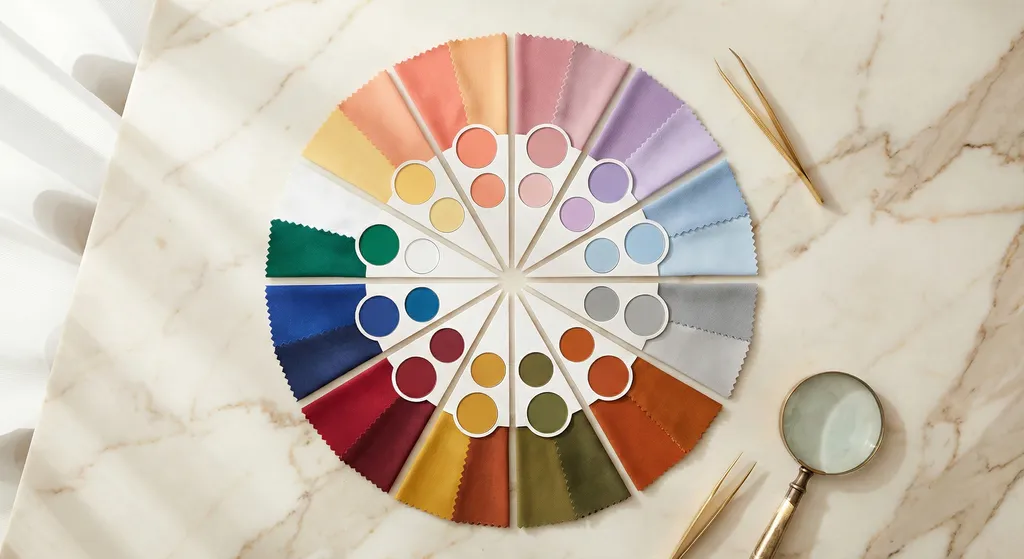
The 8 remaining sub-seasons are created by blending adjacent True seasons on the color wheel. Think of the seasons arranged in a clockwise flow: True Spring → Bright Spring → Bright Winter → True Winter → Dark Winter → Dark Autumn → True Autumn → Soft Autumn → Soft Summer → True Summer → Light Summer → Light Spring → and back to True Spring. Each blended season sits at the intersection of two neighboring True seasons, inheriting qualities from both.
This blending is what creates neutral undertones in the 8 non-True seasons. A blended season is never purely warm or purely cool; it always leans one way while carrying a secondary influence from the other side. For example, Bright Spring sits between True Spring and Bright Winter, so it is warm-neutral: mostly warm, but with Winter's vivid clarity. Soft Summer sits between True Summer and Soft Autumn, making it cool-neutral: cool at heart, but softened by Autumn's muted, blended quality.
You can also describe each sub-season by its leading color dimension: the quality most dominant in your natural coloring:
Spring is warm-based. Spring people have warm undertones and a fresh, clear quality to their coloring. The three Spring sub-seasons are:
- Light Spring: warm-neutral (Spring + Summer lightness). Lightness is the leading quality; Summer's delicacy softens the Spring warmth slightly. Think delicate, sun-kissed coloring.
- True Spring: purely warm. Warmth is the dominant trait. Everything about your coloring reads warm and golden.
- Bright Spring: warm-neutral (Spring + Winter clarity). Warmth is present, but Winter's high chroma (clarity and contrast) steals the show. Vivid, clear, and warm.
Summer is cool-based. Summer people have cool undertones with a soft, gentle quality. The three Summer sub-seasons are:
- Light Summer: cool-neutral (Summer + Spring lightness). Coolness is present, but lightness leads. A fair, delicate look with cool underpinnings and a hint of Spring lightness.
- True Summer: purely cool. Coolness is the strongest trait. Your coloring reads distinctly cool and medium in depth.
- Soft Summer: cool-neutral (Summer + Autumn mutedness). Coolness is there, but Autumn's low chroma (mutedness) is most noticeable. Coloring looks dusty and blended.
Autumn is warm-based. Autumn people have warm undertones with a rich, earthy quality. The three Autumn sub-seasons are:
- Soft Autumn: warm-neutral (Autumn + Summer mutedness). Warmth is present, but Summer's softening influence means low chroma leads. Soft, blended, and understated.
- True Autumn: purely warm. Warmth is the headline trait. Rich, golden, and unmistakably warm.
- Dark Autumn: warm-neutral (Autumn + Winter depth). Warmth is there, but Winter's depth (low value) is the most prominent feature. Dark and intense.
Winter is cool-based. Winter people have cool undertones with strong contrast and clarity. The three Winter sub-seasons are:
- Dark Winter: cool-neutral (Winter + Autumn depth). Coolness is present, but Autumn's depth dominates. The Autumn influence adds a touch of warmth that True Winter cannot access, especially in deeper shades.
- True Winter: purely cool. Coolness leads. Your coloring is high-contrast, icy, and distinctly cool.
- Bright Winter: cool-neutral (Winter + Spring clarity). Coolness is there, but Spring's high chroma is the star. Vivid, electric, and striking.
Notice that neighboring seasons share one sub-season each. For example, Light Spring and Light Summer are both "light-led"; they just differ in warmth versus coolness. This overlap explains why some people feel they could belong to two seasons. The shared dimension connects them, but the underlying temperature separates them. For the 8 blended seasons, this also means they can often borrow shades from their sister season, the blended season across the border that shares their secondary quality.
Each of the 12 Seasons at a Glance
Here is a compact overview of every season, complete with sample color swatches and links to our in-depth guides.
Light Spring
Light Spring is defined by a gentle warmth paired with overall lightness. Your skin has a peachy or ivory tone, your hair is typically light golden blonde or strawberry blonde, and your eyes tend to be light blue, green, or warm hazel. Makeup in soft peach, warm pink, light coral, and warm aqua tones will bring out the best in your coloring. Avoid anything too dark or heavily saturated, which can overpower your delicate features.
Light Spring Palette
Read the full Light Spring guide
True Spring
True Spring is pure warmth in action. Your skin glows with golden or warm beige tones, your hair is medium to dark golden blonde, copper, or warm auburn, and your eyes are often warm green, amber, or golden brown. You look best in rich corals, warm oranges, turquoise, and golden shades. Colors that are too cool or too muted will make your complexion look flat.
True Spring Palette
Read the full True Spring guide
Bright Spring
Bright Spring is all about clarity and contrast on a warm base. Your skin is clear and often medium-toned, your hair tends to be a rich warm brown or dark auburn, and your eyes are strikingly vivid - bright green, clear hazel, or warm turquoise. You thrive in bold, saturated colors like true red, hot pink, bright turquoise, and vivid gold. Anything dusty or muted will dull your natural sparkle.
Bright Spring Palette
Read the full Bright Spring guide
Light Summer
Light Summer combines coolness with a soft, luminous lightness. Your skin has a pink or porcelain quality, your hair is typically ash blonde or light mousy brown, and your eyes are soft blue, gray-blue, or cool green. Pastel pinks, soft lavenders, powder blues, and dusty rose shades suit you beautifully. Steer clear of warm oranges and high-contrast darks, which will clash with your gentle coloring.
Light Summer Palette
Read the full Light Summer guide
True Summer
True Summer is the coolest of the Summer family. Your skin has a noticeably pink or rosy cast, your hair is medium ash brown or cool brown, and your eyes are cool blue, soft gray, or rose-brown. You look stunning in raspberry, plum, steel blue, and teal tones. Warm, earthy shades like mustard or terracotta will fight your natural coolness and make your skin look uneven.
True Summer Palette
Read the full True Summer guide
Soft Summer
Soft Summer is defined by its muted, dusty quality on a cool base. Your skin has a neutral-cool tone that can look slightly gray or ashy, your hair is often mousy brown or cool medium brown, and your eyes are soft gray, hazel, or muted blue-green. Muted mauves, sage greens, soft sky blues, and dusty lilacs will complement your blended coloring. Avoid neon brights and stark black-and-white contrasts.
Soft Summer Palette
Read the full Soft Summer guide
Soft Autumn
Soft Autumn blends warm undertones with a muted, gentle quality. Your skin has a warm, slightly peachy or golden cast, your hair is warm medium brown, dark blonde, or light auburn, and your eyes are soft hazel, warm green, or golden brown. You shine in warm taupes, terracotta, muted olive, and soft peach tones. Overly bright or icy colors will look harsh against your naturally understated palette.
Soft Autumn Palette
Read the full Soft Autumn guide
True Autumn
True Autumn is the warmest of the Autumn family. Your skin has a rich golden, olive, or bronze quality, your hair is warm brown, auburn, or copper-red, and your eyes are amber, warm brown, or olive green. You look incredible in burnt orange, rust, olive green, bronze, and teal. Cool pastels and icy blues will make your warm complexion look gray.
True Autumn Palette
Read the full True Autumn guide
Dark Autumn
Dark Autumn pairs warm undertones with rich, deep coloring. Your skin is medium to deep with golden or olive undertones, your hair is dark brown or black with warm highlights, and your eyes are deep brown, olive, or dark hazel. You excel in burgundy, forest green, rust, deep teal, and rich plum. Pale, washed-out colors will look disconnected from your naturally intense coloring.
Dark Autumn Palette
Read the full Dark Autumn guide
Dark Winter
Dark Winter leads with depth on a cool base. Your skin is medium to deep with cool or neutral-cool undertones, your hair is very dark brown or black, and your eyes are dark brown, black-brown, or deep cool green. You command attention in deep crimson, emerald, dark navy, and icy accents paired with rich darks. Warm, muted earth tones will look muddy against your dramatic coloring.
Dark Winter Palette
Read the full Dark Winter guide
True Winter
True Winter is the essence of cool clarity. Your skin is fair to medium with distinctly cool or olive-cool undertones, your hair is dark brown or blue-black, and your eyes are cool blue, dark brown, or icy gray-green. You look breathtaking in true red, royal blue, fuchsia, and emerald. Warm, earthy, or muted tones will sap the life out of your high-contrast features.
True Winter Palette
Read the full True Winter guide
Bright Winter
Bright Winter is defined by electric clarity on a cool base. Your skin is often fair to medium with cool undertones and a porcelain-like clarity, your hair is dark brown or black, and your eyes are strikingly vivid - bright blue, emerald green, or clear dark brown. You were made for hot pink, cobalt blue, jade green, and electric violet. Anything dusty, muted, or too warm will flatten your naturally vivid presence.
Bright Winter Palette
Read the full Bright Winter guide
Discover Your Color Season in Minutes
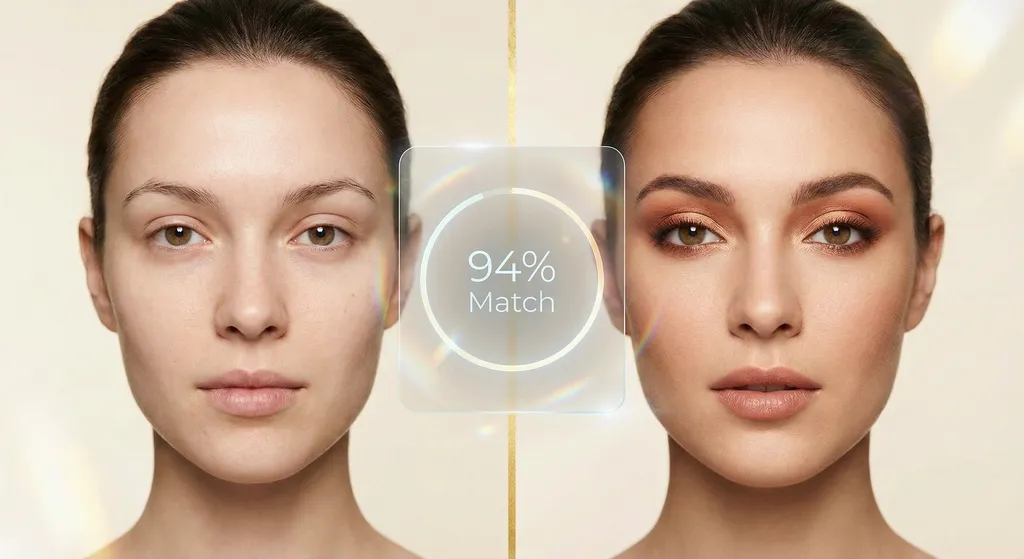
BeautySpark uses AI to analyze your face photo and determine your exact color season. No guesswork, no expensive consultations.


How to Find Your Color Season
There are three main ways to determine your color season, each with its own tradeoffs.
DIY Draping at Home. This is the classic free method. You hold fabrics or large pieces of colored paper next to your face in natural daylight (no direct sunlight) and observe what happens to your skin. Start by draping a warm orange and a cool pink near your face. One will make your skin look smoother and your eyes look brighter - that tells you your temperature. Then test light versus dark and muted versus bright fabrics to narrow down your sub-season. The downside is that DIY draping requires an objective eye and good lighting. Most people find it hard to judge themselves, especially when it comes to distinguishing between similar seasons like Soft Summer and Soft Autumn.
Professional Color Analysis. A certified color analyst will drape dozens of test fabrics against your skin in controlled lighting. Sessions typically cost between $150 and $500 depending on your city and the analyst's experience. The advantage is accuracy - a trained professional can spot subtle differences that are nearly impossible to catch on your own. The disadvantage is cost and availability. Not every city has a qualified analyst, and waiting lists can be long.
AI-Powered Analysis with BeautySpark. This is the fastest and most accessible option. You upload a selfie taken in natural light, and BeautySpark's AI analyzes your skin tone, hair color, eye color, and the contrast between them to determine your color season. The entire process takes under five minutes, costs a fraction of a professional consultation, and you get your season's sample color palette along with AI-generated eye makeup looks tailored to your exact season. It is not a replacement for an in-person draping, but for most people it provides a remarkably accurate starting point. For a side-by-side look at the major options on the market, see our best seasonal color analysis apps comparison, which includes a detailed Dressika comparison for shoppers weighing wardrobe-focused tools against makeup-focused ones.
Applying Color Analysis to Your Makeup
Once you know your season, applying it to makeup becomes straightforward.
Foundation and concealer should be matched to your undertone, not just your surface skin tone. Your season tells you whether to reach for warm-toned formulas (golden, peachy) if you are a Spring or Autumn, or cool-toned formulas (pink, neutral-cool) if you are a Summer or Winter. The shade can be slightly lighter or darker than your exact skin depth depending on your preference (some people prefer their face a touch brighter, others match to their neck), but as long as the undertone is correct, the foundation will look cohesive and natural.
Blush is where your season really shines. Light Spring and Soft Autumn types glow in peach and warm pink blush. True Summer and True Winter types look polished in cool raspberry or mauve blush. The goal is to mimic the natural flush your skin produces - which, unsurprisingly, already matches your season.
Lip color follows the same logic. Your best lip shades will come directly from your seasonal palette. A Bright Winter wearing a bold fuchsia lip will look effortlessly put-together. That same fuchsia on a Soft Autumn will look costume-like.
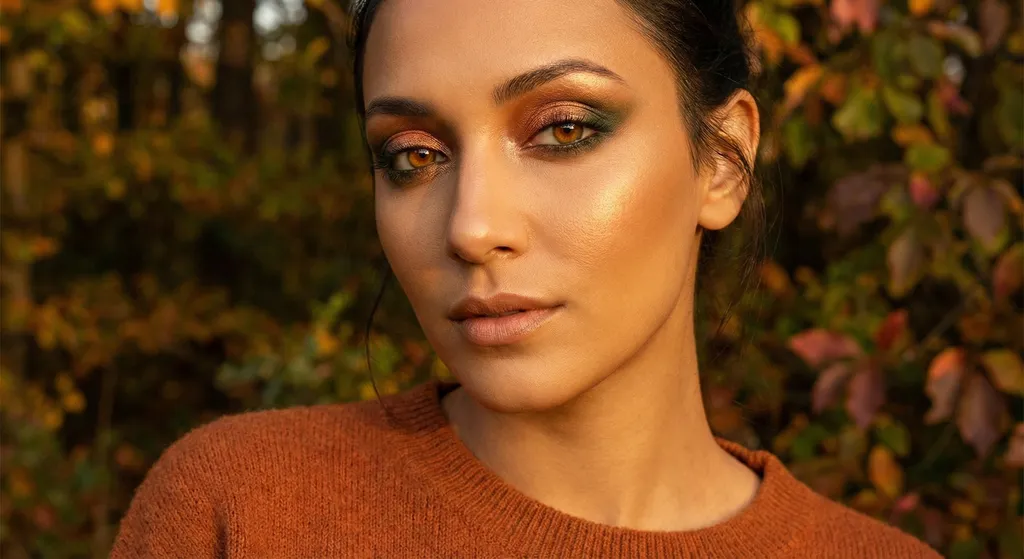
Eyeshadow is where you have the most creative freedom, but your season provides a reliable framework. Stick to your palette for everyday looks. For bolder evening looks, you can pull from your season's accent colors - the brightest or deepest shades in your palette.
Eyeliner and mascara tone matters more than most people realize. The right liner shade aligns with the intensity and temperature of your season:
- Dark seasons (Dark Winter, Dark Autumn): black, very dark brown, dark navy; your coloring carries the highest contrast and depth
- Bright seasons (Bright Winter, Bright Spring): black, true navy, deep jewel tones; vivid liner matches your season's clarity
- Cool-muted seasons (True Summer, Soft Summer, Light Summer): charcoal, cool taupe, soft navy, dusty mauve; black may feel too stark, so reach for something more blended
- Warm-muted seasons (True Autumn, Soft Autumn): dark brown, warm olive, dark bronze; earthy tones align with the richness of your palette
- Warm-light seasons (True Spring, Light Spring): medium brown, warm navy, soft teal; softer depth that does not overpower delicate warm coloring
- Pure cool (True Winter): black, true navy, cool charcoal; the highest contrast liner complements your crisp, icy clarity
The key insight is that color analysis does not limit your choices. It filters them. Instead of standing in front of hundreds of eyeshadow palettes feeling overwhelmed, you know exactly which shades will work. That makes shopping faster, reduces waste, and means you actually wear what you buy. Combine your color season with your eye shape for even more targeted makeup recommendations, or see how your season's palette translates into a full seasonal look in our fall makeup by color season guide.
Ready to Find Your Perfect Colors?
Download BeautySpark and get your personalized 12-season color analysis with AI-powered eye makeup looks in under five minutes.