AI color analysis vs professional color analysis is one of the most common questions people ask before investing in a color analysis. AI apps have gotten much better in recent years, but professional consultants bring skills that algorithms do not replicate easily. The best choice depends on your budget, the complexity of your coloring, and what you want from the process. This guide breaks down both methods across accuracy, cost, time, and practical results so you can pick the right path.
Try AI color analysis with BeautySparkHow Professional Color Analysis Works
The Draping Method
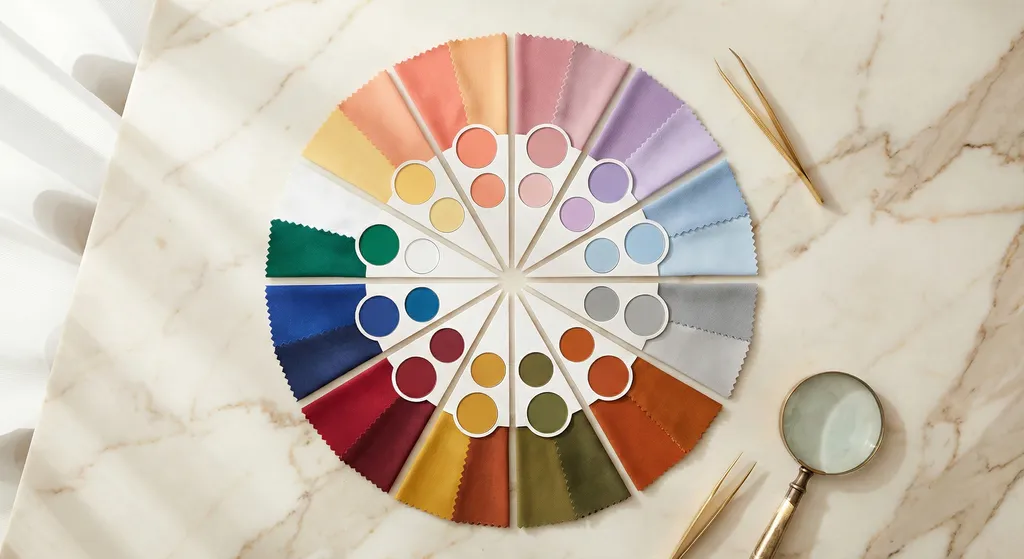
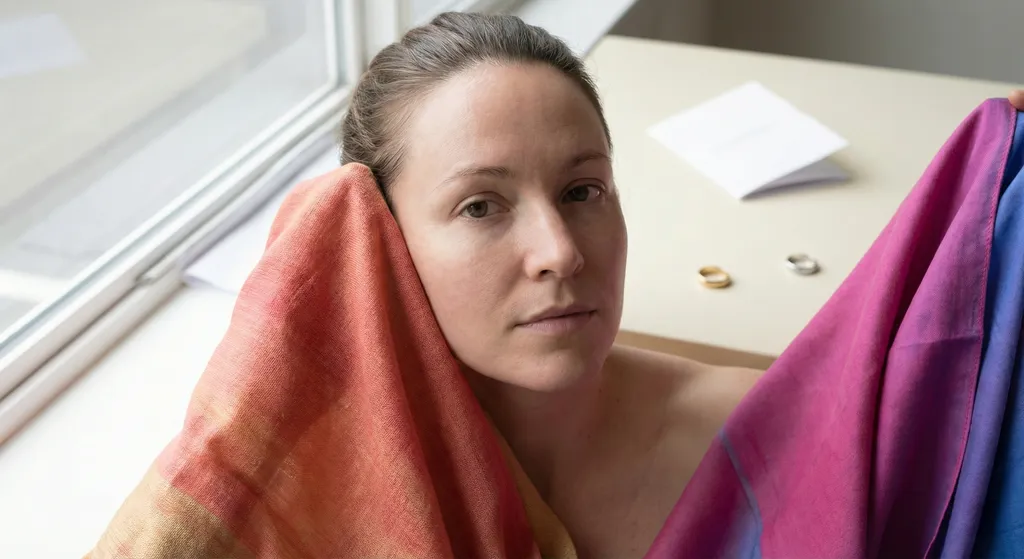
A professional color analyst places 30 to 50 colored fabric swatches near your face under controlled, neutral lighting. Each color either brightens your complexion or dulls it. The analyst watches for shifts in skin clarity, facial contour definition, and overall harmony between the fabric and your natural coloring. Through systematic comparison and elimination, they narrow the field from four broad seasonal families down to one of the 12 specific sub-seasons.
What a Session Looks Like
You arrive without heavy makeup, wearing a neutral top (white, gray, or black). The analyst covers your clothing with a neutral drape to isolate the test colors. Sessions typically run two to four hours because thorough draping takes time. Most analysts book weeks in advance, especially in major cities.
The process is collaborative. The analyst explains what they see with each fabric, so you learn to recognize the differences yourself. By the end, you understand why a season fits, not just which label you received.
What You Walk Away With
Most professionals provide a physical fan of color swatches from your season palette. Some include written guidance on how to shop, build a wardrobe, and coordinate makeup using your palette. The physical swatches travel with you, making it easy to hold them up against clothing or cosmetics while shopping.
Higher-end sessions sometimes include wardrobe planning, shopping recommendations, or follow-up consultations. The depth of post-session support varies widely between analysts.
Professional color analysis gives you a hands-on diagnosis, physical color swatches, and the contextual understanding of why specific colors work on you.
How AI Color Analysis Works
Photo-Based Analysis
AI color analysis starts with a selfie. You upload a photo (ideally taken in natural daylight, without makeup or filters), and the app analyzes your skin tone, hair color, and eye color from the image. The algorithm compares your coloring against trained models to determine your season.
Photo quality matters. Strong indoor lighting, heavy filters, or visible makeup can shift the reading. Most apps include guidance on how to take a good photo for analysis, and it is worth following those instructions carefully.
12-Season Systems vs. Simplified 4-Season Results
Not all AI color analysis tools are equal. Some apps only return basic four-season results (Spring, Summer, Autumn, Winter), which misses the eight neutral-leaning sub-seasons entirely. Advanced apps like BeautySpark use the full 12-season system, which accounts for the blended seasons where most people actually fall: Soft Summer, Light Spring, Dark Autumn, and so on.
If an app gives you only four options, the result will be incomplete at best. Look for 12-season detection whenever possible. Our best seasonal color analysis apps comparison walks through which tools deliver true 12-season precision and which stop at the basic four, including a focused Colorwise alternative overview for readers who started with that web tool.
What You Get from an AI Analysis
The output varies by app, but typically includes your season result and a sample palette of colors from that season. Results arrive in minutes, not weeks. You can also re-test with different photos to see if results stay consistent, which is a useful confidence check.
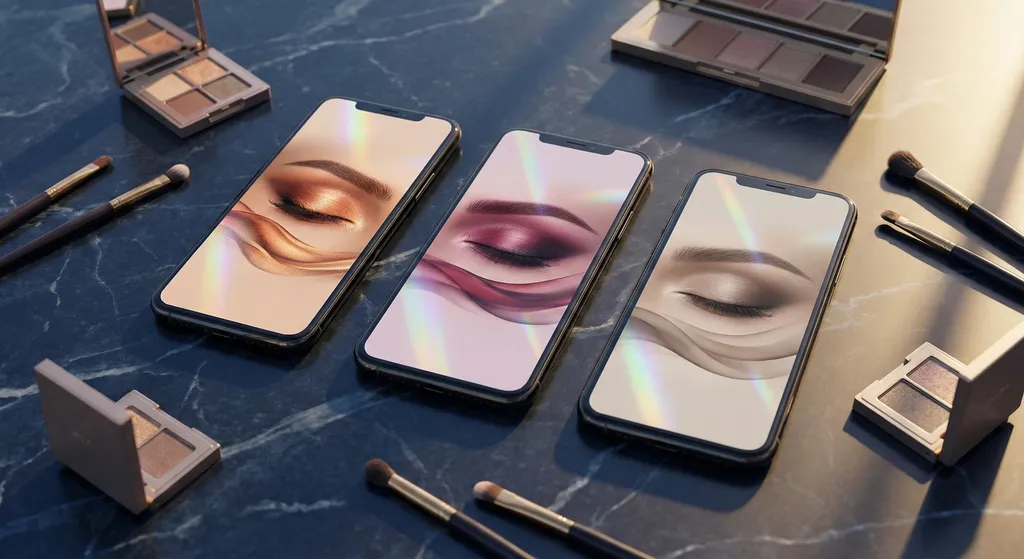
Some apps go further. BeautySpark, for example, uses your color season together with eye shape detection to generate personalized eye makeup tutorials using your own eyeshadow palettes.
AI color analysis offers speed, repeatability, and low cost, with advanced apps delivering 12-season precision that matches the same framework professionals use.
Accuracy: How Do They Compare?
Where AI Excels
Consistency is one of AI's strongest advantages. The same photo will produce the same result every time, with no variation between sessions or practitioners. Speed is another clear win: you get results in minutes instead of waiting weeks for an appointment. Cost favors AI heavily, with most apps charging between $0 and $20 compared to $200 to $800 for a professional session. And accessibility means anyone with a smartphone can run an analysis, regardless of location.
Where Professionals Excel
Professionals handle edge cases better than current AI. People who sit between two seasons, or who have complex mixed coloring (warm eyes with cool skin, for example), benefit from a trained eye that can weigh competing signals. Professional analysts also bring contextual judgment: they can account for hair dye, tanning, aging, and seasonal skin changes that a single photo cannot capture. And because they work with real fabrics in controlled lighting, they are not affected by camera quality, white balance, or screen calibration.
Common Accuracy Pitfalls
AI results suffer most from poor lighting, filters, heavy makeup in the photo, or low-quality cameras. Professional results can be affected by analyst bias, inconsistent studio lighting, or limited experience with diverse skin tones. Both methods face the "between seasons" challenge, where someone's coloring genuinely blends two sub-seasons and any single answer will feel partially wrong.
For clear, straightforward coloring, AI and professional analysis often reach the same conclusion. For complex or borderline cases, professionals still hold an edge.
Discover Your Perfect Eye Look
Get your first AI-personalized look in under 5 minutes.


The Full Comparison
| Factor | AI Color Analysis | Professional Color Analysis |
|---|---|---|
| Cost | $0 to $20 | $200 to $800 (virtual: $100 to $300) |
| Time to results | Minutes | Weeks (booking + session) |
| Session duration | 2 to 5 minutes | 2 to 4 hours |
| Accuracy (clear coloring) | High | High |
| Accuracy (edge cases) | Moderate | High |
| 12-season support | Varies by app (BeautySpark: yes) | Most certified analysts: yes |
| Photo/lighting sensitivity | Yes (results depend on photo quality) | No (uses controlled studio lighting) |
| Personalized guidance | Varies (BeautySpark: eye makeup tutorials) | Often includes wardrobe + shopping advice |
| Repeat access | Unlimited | Usually a single session |
| Accessibility | Anywhere with a smartphone | Limited to analyst locations |
| Best for | Quick starting point, budget-conscious | Complex coloring, comprehensive guidance |
When to Choose AI Color Analysis
AI color analysis is the better starting point when your budget is limited, your coloring is relatively clear, or you want a fast answer before committing to a more expensive option. It also makes sense if you live in an area without certified color analysts nearby, which is the reality for most people outside major cities.
Use AI if:
- You want a quick initial read on your season
- Your coloring is not obviously "between" two seasons
- You want to spend $20 or less
- You plan to explore before potentially booking a professional
- You do not have access to a certified analyst locally
AI color analysis gives most people a reliable season result at a fraction of the cost and time, making it the practical first step for anyone curious about their colors.
When to See a Professional
Professional analysis becomes valuable when AI results feel inconsistent or wrong, when your coloring is genuinely ambiguous, or when you want more than just a season label. If you received different results from multiple AI apps, that is a strong signal that your coloring sits in a gray area where a trained analyst can help.
See a professional if:
- AI apps give you different season results
- Your coloring is mixed or hard to categorize (warm eyes, cool skin, for example)
- You want wardrobe planning and shopping guidance beyond just your season
- You want the experience of learning to see color on yourself
- You need confidence in the result before overhauling your wardrobe or cosmetics collection
Professional analysis is worth the investment when your coloring is complex, when AI results conflict, or when you want guidance that goes beyond a season label.
The Hybrid Approach: Start with AI, Validate if Needed
For most people, the most cost-effective strategy combines both methods. Start with AI to get your initial season result. If the result feels accurate and stays consistent across multiple photos taken in different lighting, you likely have your answer.
If AI results vary between photos or if the suggested palette feels wrong when you hold those colors near your face, that inconsistency points toward a professional session. The advantage of this sequence is that you arrive at the professional appointment with context. You can tell the analyst what AI suggested and where it felt off, which gives them a useful starting point.
Many people find that AI analysis is accurate enough on its own. The subset who benefit most from professional validation are those whose coloring genuinely falls in the overlap zone between sub-seasons.
Starting with AI and following up with a professional only when needed is the smartest approach for most people, saving both time and money while still reaching an accurate result.
How BeautySpark Uses Your Color Season for Eye Makeup
Once you know your color season, whether from AI or a professional, BeautySpark puts that information to work. The app identifies your season from a selfie using the 12-season system, then detects your eye shape to generate step-by-step eye makeup tutorials matched to your unique features.
You can also scan your own eyeshadow palettes, and the app creates looks using the shades you already own. This means your color season is not just theory: it translates directly into personalized eye makeup you can wear today.
BeautySpark focuses exclusively on eye makeup (eyeshadow, eyeliner, mascara). A subscription is required to access the full tutorial library and personalized recommendations.
BeautySpark turns your color season result into actionable eye makeup tutorials built for your exact coloring and eye shape.
Discover Your Perfect Eye Look
Get your first AI-personalized look in under 5 minutes.