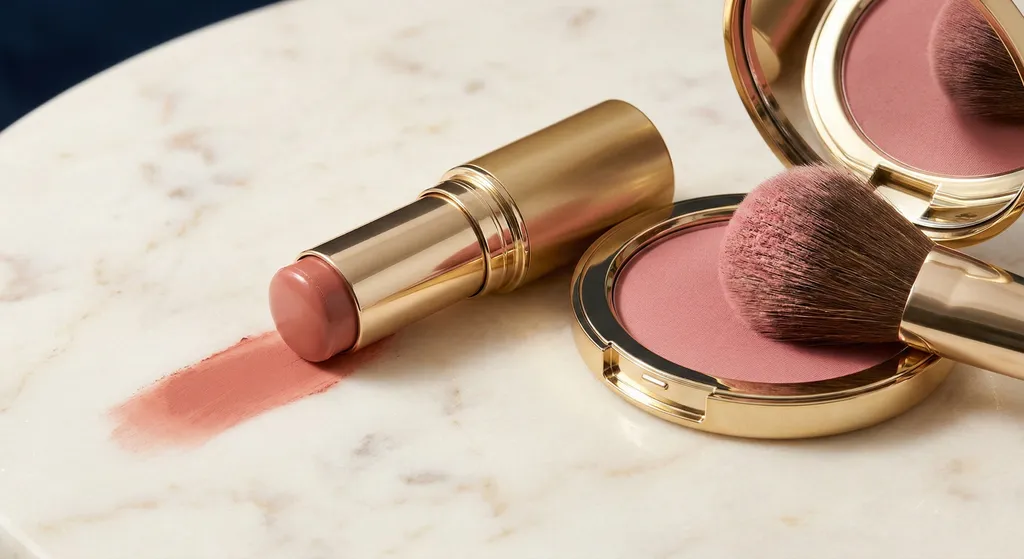
Most formula guides stop at one variable: cream for dry skin, powder for oily. That covers about a third of the decision. In practice, the right formula depends on your skin type, your age, the climate you live in, the finish you want, and the specific product you are choosing. Your color season adds one more useful data point. This guide covers all of those factors so you can make formula decisions that actually hold up on your face, not just on paper.
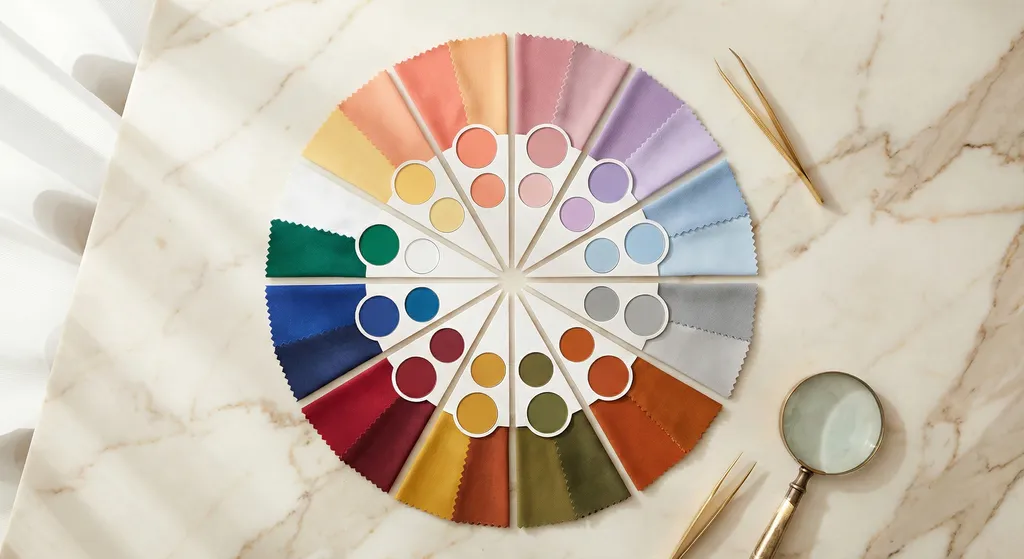
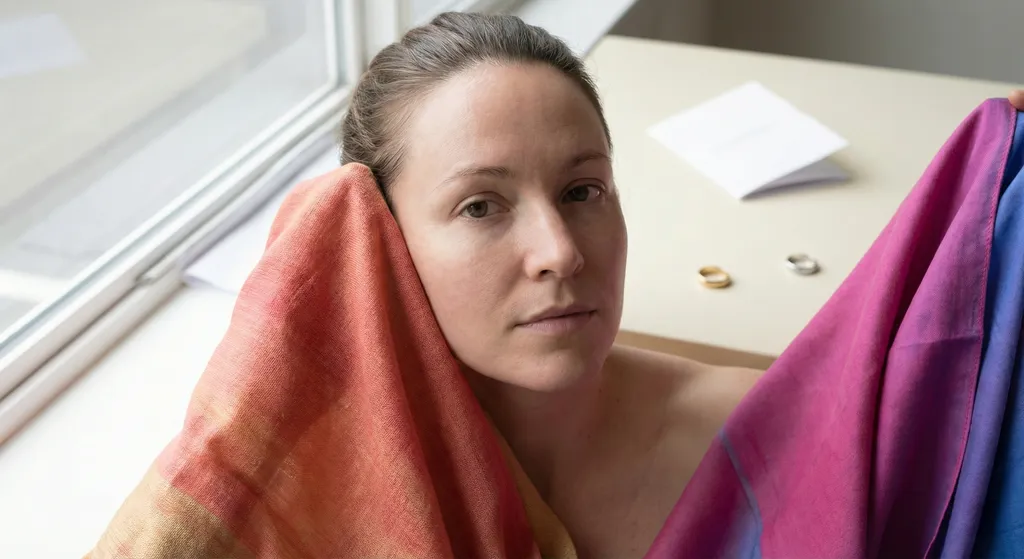
Discover your color season to fine-tune your formula choicesThe Four Formula Types and What They Do
Before choosing a formula, it helps to understand what each one does to skin, not just in the pan, but on the face.
Powder
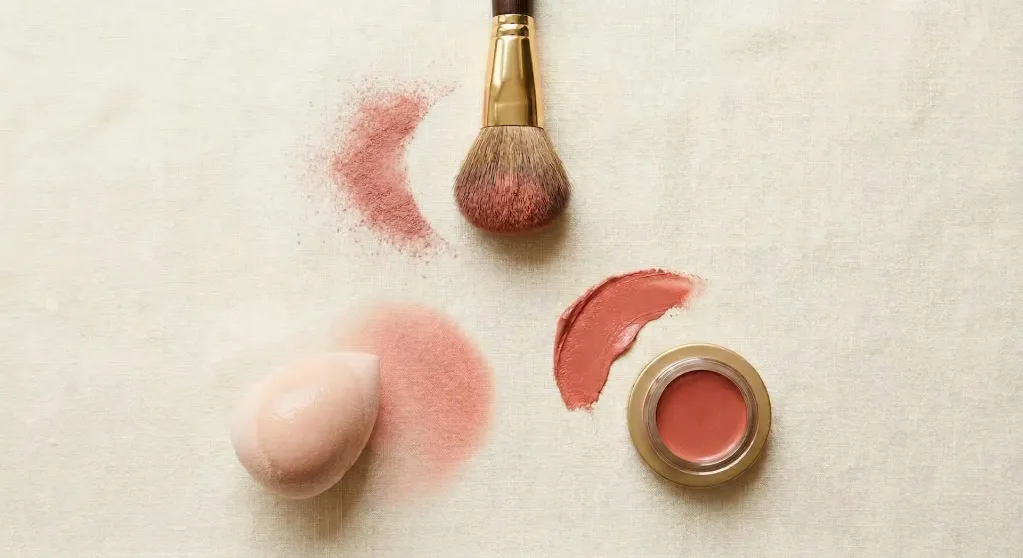
Powder deposits a dry layer of matte or shimmer pigment that sits on top of the skin surface. The particles scatter light softly, creating a soft-focus effect: small texture and pores look slightly blurred. Powder works best on a set base and applies evenly over primer or foundation. Its finish is more controlled and less skin-integrated than cream or jelly alternatives.
Cream and Stick
Cream and stick formulas blend into the skin surface instead of sitting on top. They deposit pigment while also adding a slight moisture layer, which is why they look natural and dewy. Buildable coverage is easier to achieve with cream than powder: a light tap gives a wash of color, more product and blending pressure gives definition. The finish is skin-like, not distinctly shiny or matte.
Jelly and Gel
Jelly and gel formulas are sheer and bouncy in texture, delivering a glass-skin effect: a translucent, high-shine finish with minimal pigment. They work on top of set skin or directly on bare skin as a topper. They do not layer well under powder because the moisture in the formula disrupts the powder particles. Jelly formulas work best as finishing accents: the high point of cheekbones, the inner corners of eyes, the bridge of the nose.
Liquid
Liquid formulas have the highest pigment density of the four types and the longest wear time. They also carry the most risk of emphasizing texture if the skin surface is not primed: the concentrated pigment can settle into lines, pores, or dry patches. On smooth, primed skin, liquid eyeshadow and blush formulas deliver vivid, long-lasting payoff that cream and powder formulas cannot match.
Cream and jelly integrate into the skin surface; powder sits above it; liquid locks in place. The formula you choose determines where the makeup lives on your face, not just how it looks.
Skin Type: The Primary Decision Factor
Skin type is the single biggest variable in formula selection. It determines how a product behaves over the course of a day: whether it migrates, cakes, settles, or holds.
Oily Skin
Powder is your natural ally. It absorbs excess oil and holds its position without sliding. Cream formulas still work on oily skin if you set them with a light powder at the T-zone to prevent migration. Jelly formulas are risky at the cheeks: the moisture content combined with natural oil production causes the product to move within a few hours. Liquid products with a matte finish perform well, especially for eyes.
Dry Skin
Cream and stick formulas are your best match. They add moisture along with pigment, so they sit smoothly on skin that tends to flake or feel tight. Powder on dry skin can look chalky or emphasize texture unless you apply it over a well-hydrated, primed base. Use a hydrating primer and apply powder in sheer layers rather than building up. Jelly highlighter works well on dry skin because the moisture enhances rather than conflicts.
Combination Skin
Zone-based application is the most effective strategy. Cream blush at the cheeks, where combination skin tends to be drier. Powder or matte liquid at the T-zone, where oil production is highest. This mixed approach outperforms committing to a single formula across the entire face.
Normal Skin
Normal skin gives you the most flexibility. All four formula types perform well, so let other factors (finish preference, climate, skill level, product type) guide your choice.
Mature Skin and Aging
Skin changes as it ages, and formula selection should change with it. This is one of the most underserved topics in formula guides.
Powder settles into fine lines and wrinkles, making them more visible. Cream sits smoother on mature skin because it blends into the surface rather than collecting in creases. As skin produces less oil with age, the practical advantage of powder (oil absorption) decreases while its downside (emphasizing texture) increases. The overall direction is clear: mature skin shifts toward cream territory.
Cream blush looks more natural and youthful on mature skin than powder blush. It creates a flush that appears to come from within the skin, not sit on top of it. For eyes, a cream eyeshadow base is especially important on mature lids. It smooths the surface and gives powder shadow something to grip, preventing the creasing and fading that happens faster on aging eyelids.
The exception: setting powder still works on mature skin when applied in very sheer layers with a damp sponge. The goal is to set, not to mattify. Heavy powder application is what causes problems, not powder itself.
Desired Finish
The finish you want narrows your formula options immediately.
Dewy or glass-skin: Cream and jelly are the primary formulas. They integrate into skin and reflect light naturally. Liquid highlighter also delivers a controlled wet-look effect.
Matte: Powder is the default. Matte liquid formulas also deliver a flat, shine-free finish with longer wear. Cream can be mattified with powder on top, but the result is satin rather than truly matte.
Satin (the middle ground): Cream set with a light translucent powder gives a satin finish that splits the difference between dewy and matte. This is the safest default for anyone unsure of their preference.
Climate and Humidity
Where you live (or where you are traveling) changes how formulas perform on skin.
Hot and humid: Powder and matte liquid formulas hold up best. Cream migrates faster in humidity because the moisture in the air and on the skin loosens its bond. If you prefer cream, set it thoroughly with powder.
Cold and dry: Cream prevents the flakiness and tightness that powder can emphasize in cold, dry air. Powder in winter often looks chalky by midday unless the skin is extremely well moisturized underneath.
Temperate: Adjust seasonally. Many people find cream works better in autumn and winter, powder in spring and summer, and satin year-round as a reliable middle option.
Discover Your Perfect Eye Look
Get your first AI-personalized look in under 5 minutes.


Formula by Product Type
The best formula also depends on what you are applying. Blush, highlighter, eyeshadow, and bronzer each interact with skin differently.
Blush
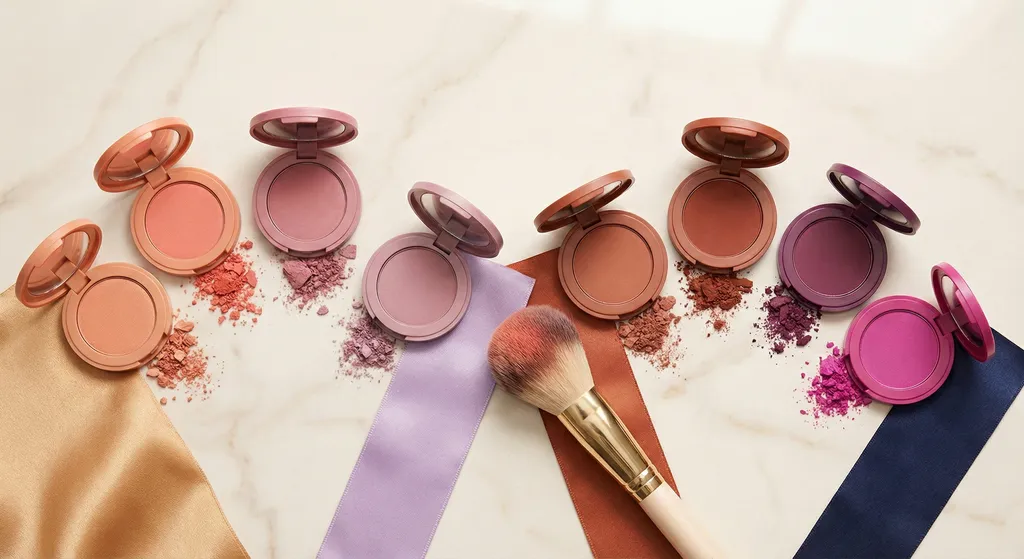
Cream blush is the most forgiving format: it blends easily with fingers, builds gradually, and looks natural on most skin types. Powder blush gives more precision and longer wear on oily skin. Liquid blush delivers the most intense, long-lasting color but requires speed and skill to blend before it sets. For specific shade recommendations, see best blush for your color season.
Highlighter
Cream and jelly highlighters create a deep, skin-absorbed glow. Powder highlighter delivers a more reflective, visible shimmer that sits above the skin surface. For a natural look, cream. For a dramatic, editorial look, powder shimmer or liquid. See highlighter picks by color season for shade guidance.
Eyeshadow
The cream-base-plus-powder-top technique is universal: cream eyeshadow applied first extends powder shadow wear by four to six hours by giving the powder particles something to grip. This works for all skin types and all styles. Cream-only eyeshadow delivers a softer, more blended result. Powder-only gives the most precise pigment payoff and sharpest edges. Most people benefit from learning the layered technique first.
Bronzer and Contour
Cream bronzer blends into skin to mimic natural warmth and works well on dry to normal skin. Powder bronzer is better for oily skin and gives a more controlled, diffused effect. For contour specifically, powder gives sharper structural definition. Cream contour gives a softer, more natural shadow effect. For related shade picks, see best blush for your color season.
Color Season as a Formula Factor
Your color season is one useful variable in formula selection, not the only one. Here is how it factors in.
Warm seasons (Springs and Autumns) have a natural affinity with cream and jelly formulas. The luminosity of cream mirrors the lit-from-within quality of warm skin. Powder on warm skin can pull flat unless it contains warm shimmer particles.
Cool seasons (Summers and Winters) tend to complement powder's soft-focus finish. Powder adds clarity without introducing warmth that conflicts with a naturally cool complexion. Cool seasons can still wear cream products when the shade is cool-toned (rose, mauve, taupe rather than peach or coral).
Muted seasons (Soft Summer and Soft Autumn) have a satin ceiling. High-glitter and intensely shimmery formulas look like noise on low-chroma coloring. Satin cream or soft-matte powder is the right range.
High-chroma seasons (Bright Spring and Bright Winter) can carry shimmer, jelly, and glitter because their natural contrast holds the added dimension without looking overdone.
If you are not sure of your season, see how to find your undertone as a starting point.
Skill Level and Formula Choice
Some formulas are more forgiving than others, which matters if you are still building technique.
Beginners: Start with cream blush (apply with fingers, very forgiving) and powder eyeshadow (apply with a brush, easy to blend and build). These two formulas offer the gentlest learning curve.
Intermediate: Learn the cream-base-plus-powder-top layering technique for eyes. This single skill improves eyeshadow wear and blendability more than any product upgrade.
Advanced: Liquid blush, jelly formulas, and mixing multiple formula types in one look. These require speed, precision, and an understanding of how different textures interact on skin.
Quick-Reference Decision Matrix
| Factor | Cream / Jelly | Powder | Liquid |
|---|---|---|---|
| Oily skin | Set with powder | Yes | Yes (eyes) |
| Dry skin | Yes | With hydrating base | With prep |
| Mature skin | Yes | Sheer layers only | With prep |
| Humid climate | Set with powder | Yes | Yes |
| Dry climate | Yes | Avoid or prep well | With prep |
| Dewy finish | Yes | No | Highlighter only |
| Matte finish | No | Yes | Matte liquid |
| Warm color season | Slight edge | Works with shimmer | Neutral |
| Cool color season | Cool shades only | Slight edge | Neutral |
| Beginner | Cream blush | Powder shadow | Avoid |
Frequently Asked Questions
Discover Your Perfect Eye Look
Get your first AI-personalized look in under 5 minutes.